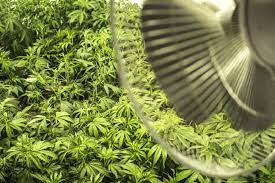
VPD, or Vapor Pressure Deficit, is a measure of the difference between the amount of moisture in the air and the amount of moisture the air can hold when fully saturated. In simple terms, it describes how “thirsty” the air is for water. For cannabis growers, maintaining the correct best vpd for flowering is crucial because it directly affects transpiration, nutrient uptake, and overall plant health. Too low or too high a VPD can stress plants, reducing both flower quality and yield.
How does VPD affect transpiration in cannabis?
Transpiration is the process where plants release water vapor from their leaves. Proper VPD encourages optimal transpiration, which in turn drives nutrient absorption through the roots. Research shows that when VPD is within the ideal range for flowering cannabis—typically between 1.0 and 1.5 kPa—plants maintain healthy stomatal function, ensuring efficient photosynthesis and robust bud development.
What happens if VPD is too low?
When VPD is too low, the air is saturated with moisture, and plants struggle to release water. This slows transpiration and nutrient uptake, potentially leading to overly soft or airy flowers. Statistically, cannabis grown in low VPD environments may show up to a 15–20% reduction in bud density compared to plants grown within optimal VPD conditions. High humidity can also increase the risk of mold and mildew, particularly during the flowering stage.
What happens if VPD is too high?
High VPD creates dry air conditions, causing plants to lose water rapidly. Stressed plants may close their stomata to conserve moisture, reducing photosynthesis and slowing growth. Studies indicate that excessive VPD can decrease flowering yield by as much as 10–15%, with smaller, less resinous buds. High VPD can also cause nutrient burn as plants attempt to take up water faster than the roots can supply.
How can growers control VPD effectively?
VPD can be managed by balancing temperature and humidity in the grow room. Using HVAC systems, humidifiers, and dehumidifiers, growers can create an environment where VPD stays within the optimal range for flowering. Monitoring tools like hygrometers and VPD calculators provide precise measurements, helping growers make informed adjustments to environmental conditions.
Does VPD affect cannabinoid content?
Yes. Maintaining ideal VPD not only maximizes flower size and density but also supports cannabinoid and terpene production. Research suggests that plants grown under optimal VPD conditions may have higher levels of THC and aromatic compounds, contributing to both potency and aroma.
In summary, why is VPD critical for flowering cannabis?
VPD directly influences water uptake, nutrient absorption, and plant stress levels, all of which determine flower quality and yield. By keeping VPD in the ideal range, growers can ensure healthier plants, denser buds, and optimal cannabinoid production, ultimately improving the efficiency and profitability of their cultivation operations.
This data-driven approach to VPD management demonstrates its critical role in modern cannabis cultivation, making it an indispensable factor for anyone aiming to maximize flowering success.