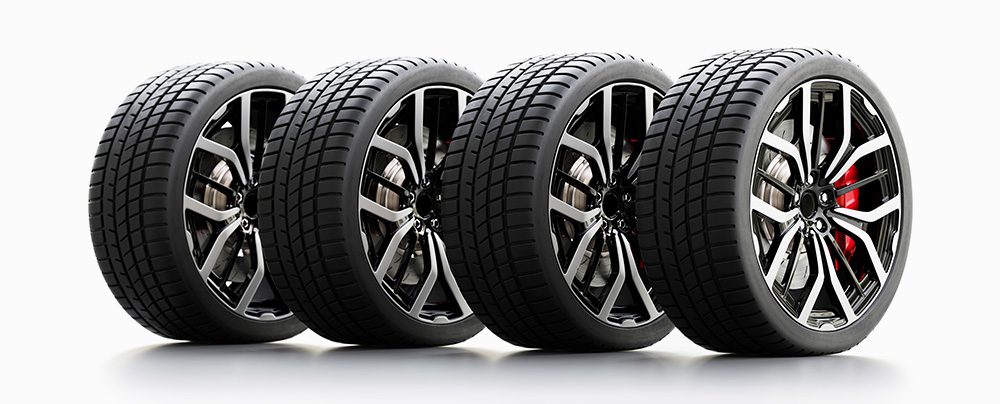
Rims are no longer just a functional component of a vehicle—they are an integral part of modern automotive design, performance, and safety. Over the years, advancements in Rims (Fälgar) technology have revolutionized how vehicles handle, perform, and appear. From materials and manufacturing techniques to aerodynamic and weight-saving innovations, these developments are shaping the way drivers experience their vehicles today.
Lightweight Materials for Enhanced Performance
One of the most significant advancements in rim technology is the use of lightweight materials. Traditional steel rims have largely given way to alloys and advanced composites, which reduce unsprung weight while maintaining strength. Lighter rims improve acceleration, braking, and fuel efficiency by decreasing the energy required to rotate the wheels. Additionally, reduced weight enhances suspension responsiveness, providing a smoother, more controlled ride, especially on uneven roads.
Precision Engineering and Manufacturing
Modern rims are manufactured with exceptional precision using techniques such as forging, flow forming, and computer-aided design. These methods allow for rims that are both strong and lightweight, with precise dimensions that improve balance and stability. Precision-engineered rims reduce vibrations, support even tire wear, and enhance overall vehicle handling. This level of accuracy in production ensures that rims can meet the demands of high-performance vehicles while maintaining durability for everyday driving.
Aerodynamic Designs for Efficiency
Rim designs have evolved to improve aerodynamic efficiency. Innovative spoke patterns, concave shapes, and optimized surfaces help reduce air resistance as the wheels rotate. By minimizing drag, these rims contribute to fuel savings and lower emissions, while also enhancing vehicle stability at higher speeds. Aerodynamic rims demonstrate how design and functionality can work together to improve both performance and efficiency.
Integration with Advanced Vehicle Systems
Modern rims are increasingly designed to complement advanced vehicle systems such as tire pressure monitoring, electronic stability control, and adaptive suspension. High-precision rims support these technologies by ensuring accurate sensor readings, consistent handling, and effective load distribution. This integration allows vehicles to operate at peak performance while providing enhanced safety and comfort for drivers and passengers.
Aesthetic and Customization Innovations
Rim technology advancements also focus on aesthetics. Modern manufacturing allows for complex designs, unique finishes, and custom colors that cater to driver preferences. Beyond visual appeal, these designs can also enhance performance by balancing strength, weight, and airflow.
Conclusion
Rim technology continues to transform today’s vehicles, offering a blend of performance, efficiency, safety, and style. Through lightweight materials, precision engineering, aerodynamic design, and integration with advanced vehicle systems, modern rims enhance both driving experience and vehicle longevity. Investing in technologically advanced rims ensures that drivers enjoy optimal performance, improved fuel efficiency, and a sleek, contemporary appearance on every journey.